Teaching Science Without a School Lab: A Practical Way Forward
· By Labs For Home Team
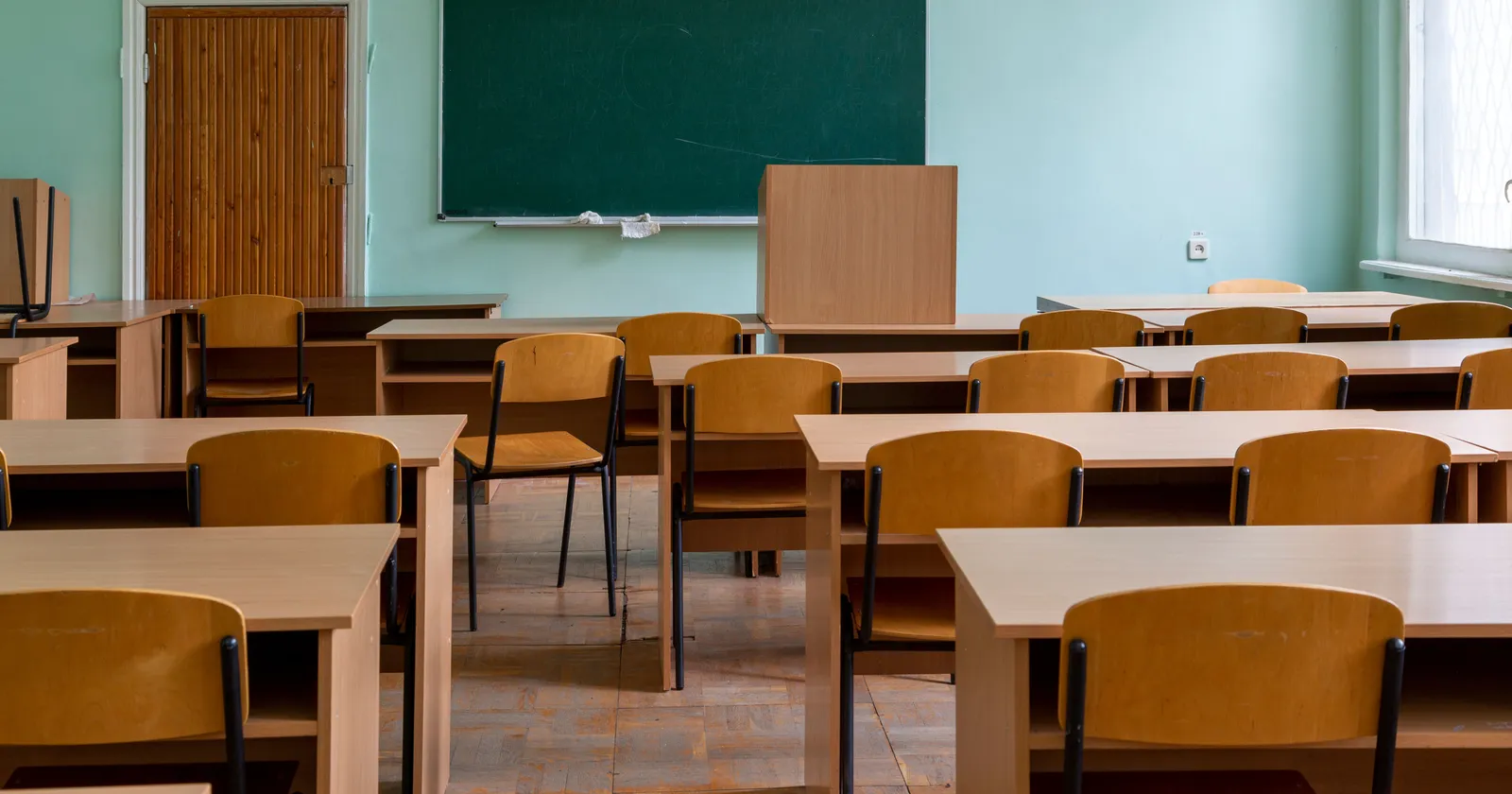
A school with no dedicated lab room can still give students real, hands-on practical science. What a lab room actually provides is bench space, drainage, ventilation and storage for equipment, and a regular classroom, a laptop cart, or even a single shared computer can substitute for most of that if the experiments are chosen with the constraint in mind. The absence of a lab room is a real constraint, but it rules out fewer experiments than it might first appear to.
Key takeaway
A missing lab room mostly removes mess and storage requirements, not the experiments themselves — virtual labs and compact hands-on kits both work on an ordinary classroom desk, so real practical science can start this term.
Start with what a lab room was actually for
A traditional lab room exists mainly to contain mess, hazard and specialized equipment in one place. Take those away, by choosing experiments that use small, self-contained hardware or run entirely on a screen, and the room requirement mostly disappears. A regular classroom desk is enough space for a laptop running a virtual experiment, or for a compact hands-on kit that does not need running water or a fume hood.
Two tools that do not need a lab room
Virtual labs
A virtual lab runs on any device with a browser, so it needs no bench space, no drainage and no ventilation. It also removes the storage problem: there is no glassware to lock away or reagent to keep out of reach between classes. For a school with no lab room at all, this is often the fastest way to add real practical science without any construction or new furniture. It also solves the shared-device problem many schools without a lab room already have: if there is only one computer cart to go around, a virtual experiment can still run as a rotation, one small group at a time, on the same ordinary desks the class already uses for every other subject.
Compact hands-on kits
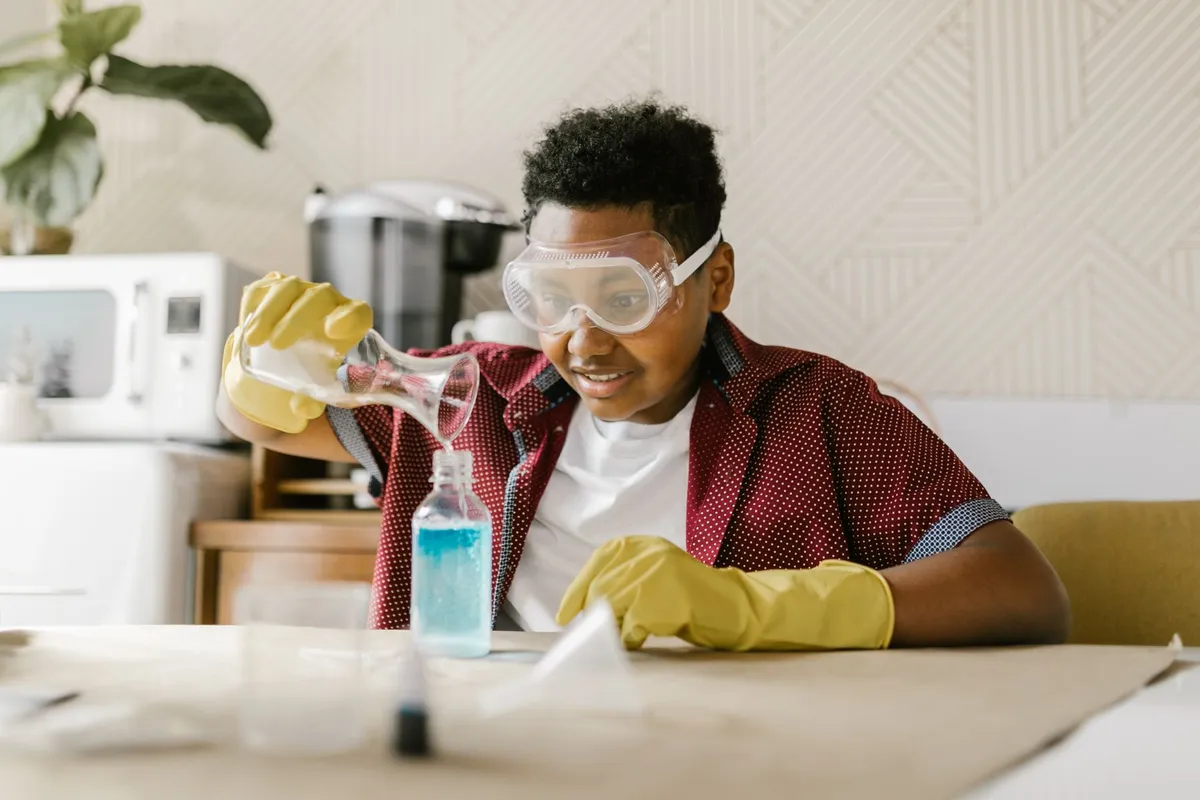
A self-contained, sensor-based kit fits on a normal desk and packs away into a box between classes, unlike a fixed lab bench setup. Because the hardware is compact and does not involve open flames, hazardous reagents or running water, it can be used, stored and moved between an ordinary classroom and a storage cupboard without any special room. A teacher who already moves between classrooms rather than teaching from one fixed room can bring the kit along the same way they would bring any other portable teaching material.
Choosing experiments that fit a normal classroom
Start with experiments that were never really about the room in the first place: motion and forces, basic electrical circuits, simple chemical reactions that do not need a fume hood. A free fall or pendulum-style motion experiment, for instance, only needs a small drop height and a timer, whether run virtually or with a compact kit, and was never a good fit for a fixed lab bench to begin with. Basic circuit experiments follow the same pattern: a battery, a few components and a meter all fit on a normal desk, and nothing about wiring a simple circuit needs drainage, ventilation or a dedicated bench.
What this looks like as a program grows
A school does not need to solve every subject at once. Many schools without a lab room start with one subject, such as physics motion experiments, running entirely virtually with whatever devices are already on hand, and only add a compact hands-on kit once teachers are comfortable with the virtual routine. From there, a second subject, such as basic circuits, can follow the same pattern. The lab room requirement was never really about the room; it was about mess, hazard and storage, and none of that scales with the number of subjects a school decides to add.
Getting started this term
- Pick two or three topics your current classroom already fits, without needing water, gas or a fume hood
- Run the virtual version first with whatever devices you already have, a laptop cart or even one shared screen
- Add a compact hands-on kit once you know which topics your students respond to best
None of this requires waiting for a building project. A school can start giving students real practical science this term, in the classroom it already has, and expand from there one subject at a time, adding new topics only once the current ones are running smoothly with the space and devices already on hand.