Physics
Current in resistors connected in series
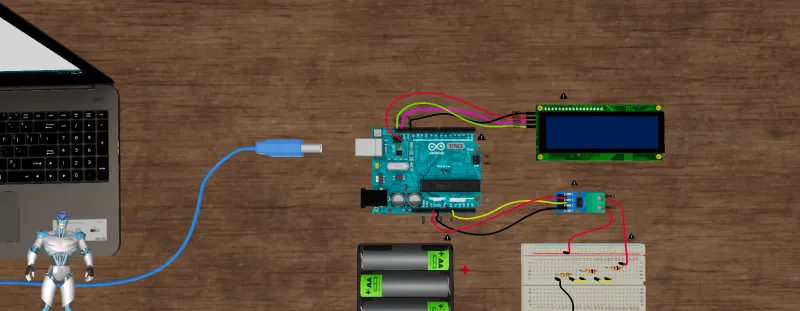
The effect of adding resistors in series on the current.
Mission
The effect of adding resistors in series on the current.
Curriculum Alignment
| Standard | Syllabus code | Topic | Coverage | Grades | |
|---|---|---|---|---|---|
| NGSS | HS-PS3-6 | HS-PS3-6 (Ohm's law; series/parallel circuit analysis) | Full | 9–12 | |
| British / IGCSE | 0625 §4.3.2 | CAIE IGCSE Physics 0625 — 4.3.2 Series and parallel circuits (Core: current same at every point in series) | Full | 9–10 | |
| IB | DP B.5 | DP Physics — Theme B.5 Current and circuits | Full | 11–12 | |
| CBSE | Class 10 Ch 12 | CBSE/NCERT Class 10 Science — Ch 12 Electricity (series circuits) | Full | 10–10 | Prescribed practical |
| AERO / AP | AERO Science | AERO K-10 Science Framework — Physical Science: electric circuits (general strand, no numbered PE) | Full | 9–10 |
Variables
What you change
- Resistance value
What you measure
- Current
What you keep constant
- Wire length
- Wire cross section
- Battery voltage value
- Temperature of wire
Equations
It = Total current in circuit
V_Bat ≈ 6 Volts
R_1, R_2, R_3 = Resistors (ohm)
It=\frac{V_Bat}{R_1+R_2+R_3}
What You'll Need
- Breadboard 400 Tie Point
- Arduino Uno
- I2C LCD
- Current Sensor ACS712
- 6V Battery Pack, 4x AA
- Resistor
Estimated Time
Virtual mode 8 minTest mode 11 minExercise mode 10 min
Mind-Blowing Fact
I feel bad for the frogs.
The Frog Galvanoscope was one of the first devices of measuring electric voltage, the crude device was operated by attaching a wire to the exposed nerve of a skinned frog leg, which would jerk due to the electricity.
How You Can Run It
Virtual modeTest modeExercise modeView-only modeAccessibility modeTobii eye trackingVoice commandsArduino integrationAmericanBritishIB